

Writers: Ailsa Laras Syarifa and Naafi Abika Ramadhana
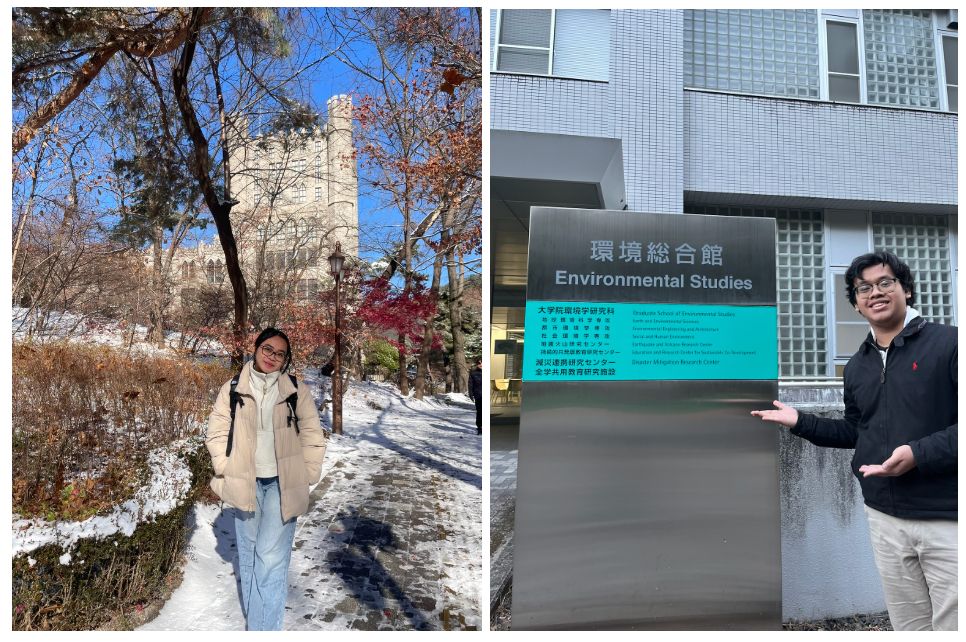
After a semester abroad, Ailsa Laras Syarifa and Naafi Abika Ramadhana (students of the Undergraduate Program in Social Welfare FISIP UI) have returned home. Ailsa spent the exchange at Kyung Hee University in Seoul, South Korea, while Abika at Nagoya University in Nagoya, Japan. Representing the Universitas Indonesia, both students participated in academic and cultural exchange at their respective host institutions.
Exchanges abroad continue to offer opportunities that are not readily available in Indonesia for students such as Ailsa and Abika. Beyond cultural exposure, these programs provide access to different academic environments and learning approaches, providing a supplementary experience and learning to those implemented in the Social Welfare program at the Universitas Indonesia.
Through their participation, both students gained broader academic experiences and insights than initially anticipated. Their time abroad allowed them to observe how interactions, communication styles, and everyday social dynamics differ across cultures, both inside and outside the classroom. Moreover, engaging with international peers and adapting to new academic expectations provided a deeper understanding of how learning is shaped by diverse perspectives and environments.
The International Student Experience
From going to takor to experiencing campus dining spaces like gakushoku and haksaekdang, everyday routines became an important part of adjusting to life abroad. At first, living in a new country and starting a new chapter was not easy, as it required navigating unfamiliar systems and social norms. However, over time, challenges became part of the learning process. Through continuous adaptation, both students developed greater independence and understanding regarding different cultures, turning initial difficulties into meaningful experiences.
The central library at Kyung Hee University & the GSES faculty (Graduate School Of Environmental Science)
An Extension of the Classroom
The exchange allowed for comparisons between theoretical frameworks and academic cultures. Ailsa’s coursework at Kyung Hee included sociology, political philosophy, and even environmental studies, exploring how different issues and policies come into play. Most of the courses were interactive, demanding group discussions and presentations. This reflected a broad academic culture, emphasizing engagement with a wide range of materials. Across her courses, Ailsa encountered scholarly journals dissecting arguments in political philosophy, book excerpts touching on inclusivity, representation, and disability, literary pieces exploring politics and humanity, and news articles and video clippings covering environmental issues and refugee crises. Each class brought a different lens, with a reading load that felt less like an academic obligation and more like a broadening of perspective.
Engaging with new materials in an international academic setting
Through class activities and engaging with peers, Ailsa developed a more nuanced understanding of diversity and shared social challenges that transcended national borders. Often, peers would ask about socio-political issues back home in Indonesia, which had to be responded with a courtly perspective. These discussions were immensely beneficial and provided a space for mutual advocacy. By sharing Indonesian contexts, she was able to draw direct comparisons with her peers’ home countries regarding different issues. As coursework spanned various disciplines, Ailsa also found that exposure to different fields provided insights that remain relevant to social welfare as a discipline.
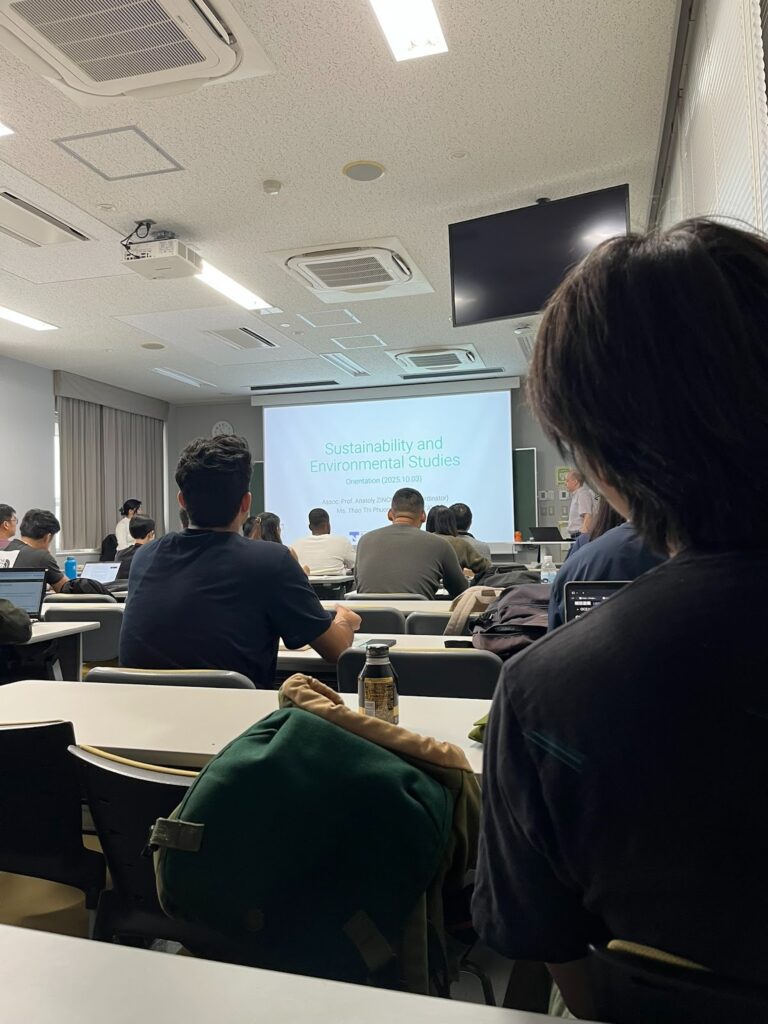
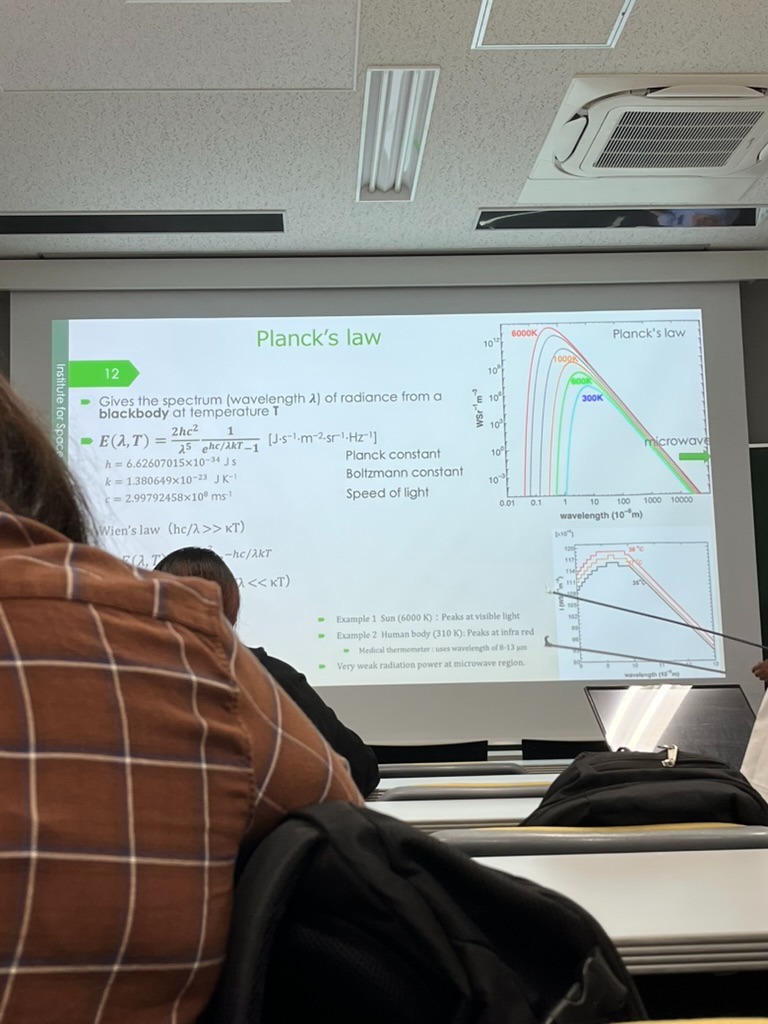
Exploring new fields of study in Nagoya University
Meanwhile, Abika’s time at Nagoya University provided a look into Japan’s approach to sustainable development and environmental studies. This has been Abika’s focus for some time, to further explore the connections between environmental science, sustainable development, and sustainable finance. Many of the courses offered by Nagoya University provide valuable insight into the multidisciplinary nature of Japan’s environmental sector.
Class participation plays a crucial role in the learning process at Nagoya University, where demanding subjects such as environmental science require collaboration across disciplines, including physics, chemistry, and the social sciences. These discussions have deepened Abika’s understanding of the growing importance of environmental science, not only in industry but also for Indonesia’s development and its potential impact on social welfare. Looking ahead, Abika hopes that the department will offer more multidisciplinary courses for final-year students, as the field of social welfare remains broad and interconnected.
Cross-Cultural Interactions
Outside of university hours, the semester was spent exploring different regions in South Korea and Japan. From navigating the city’s streets to taking trips to surrounding areas, the experiences offered practical perspectives on values and culture that complemented their time abroad. With visits to historic neighborhoods, local markets, and residential areas, each setting revealed subtle differences in pace and social norms.
Throughout the semester, Ailsa and Abika engaged with peers from different countries, in both academic and everyday settings. Whether through group projects or weekend outings, these friendships were a central part of the experience, providing a social circle that extended beyond their time there.
Outings with fellow international students in Seoul
Traveling within Japan
Now back at the Universitas Indonesia, the insights gained abroad are being channeled into final-year research. Overall, the experience not only broadened academic perspectives but also fostered personal growth while broadening perspectives in a global context. At their core, we humans crave understanding because education is the kindling of a flame, not the filling of a vessel.

